
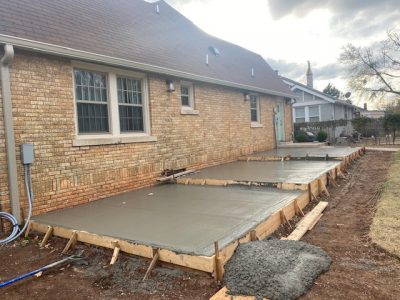
 For every homeowner or business in and around Oklahoma City, a pristine concrete surface is a source of pride, enhancing curb appeal and functionality. But then, you see them: those unwelcome concrete cracks. Are they a minor blemish or a sign of deeper trouble? At Alex’s Construction Co, LLC, we’ve spent 16 years providing robust concrete solutions across Yukon, Del City, Nichols Hills, Warr Acres, Bethany, The Village, Edmond, and Oklahoma City. We understand the concerns that concrete cracks can bring, and we’re here to equip you with the knowledge to manage them effectively.
It’s crucial to understand that concrete, while incredibly strong, is not impervious to the forces of nature or everyday wear. Minor concrete cracks are often an almost inevitable part of its life cycle. However, by understanding their causes and implementing preventative measures, you can significantly extend the beauty and integrity of your concrete surfaces. This guide will walk you through everything you need to know about concrete cracks, from why they happen to how to fix them, ensuring your investment lasts for years to come.
What are the main causes of cracks in concrete?
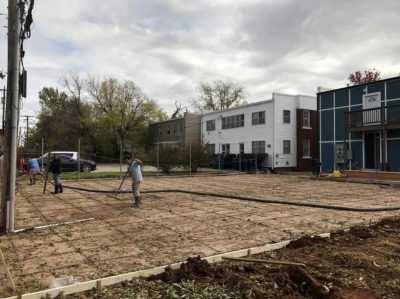 Seeing concrete cracks can be unsettling, but understanding their origins is key to managing them. Often, it’s not a single factor but a combination that causes these lines to appear on your surfaces. Recognizing these common culprits helps protect your investment from unsightly concrete cracks.
Sometimes, concrete cracks emerge early on, during the concrete’s fresh, wet stage. This “plastic shrinkage cracking” happens when the surface dries too quickly, especially in Oklahoma’s hot or windy conditions, causing shallow, hairline concrete cracks that are mostly cosmetic. Later, “drying shrinkage concrete cracks” appear as the concrete loses internal moisture over weeks, contracting and creating wider, through-thickness fractures if restrained.
Our unpredictable Oklahoma weather significantly contributes to concrete cracks through thermal expansion and contraction. Concrete expands with heat and shrinks with cold; without proper joints to allow this movement, immense stress builds, leading to larger, linear concrete cracks. More concerning are “settlement concrete cracks, ” which indicate ground movement beneath the slab due to poor compaction or expansive soils. This loss of support causes the concrete to fracture, often diagonally, signaling a deeper issue.
Overloading also creates concrete cracks when surfaces bear more weight than designed, such as heavy vehicles on a residential driveway. This excess stress can result in significant structural damage. Long-term, “corrosion of reinforcement” causes concrete cracks when moisture or salts penetrate to the internal steel, which then rusts and expands, exerting pressure and leading to cracks parallel to the rebar. Less commonly, internal “alkali-silica reactions” can also cause widespread, map-pattern concrete cracks as certain aggregates react with cement in the presence of moisture, forming an expansive gel.
How to prevent concrete from cracking?
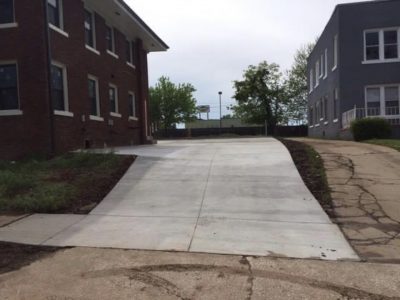 While completely avoiding every tiny hairline crack in concrete is tough, we can significantly reduce major concrete cracks with careful planning. Preventing concrete cracks begins with meticulous preparation and execution. Investing in quality upfront saves you headaches and repair costs later, ensuring your concrete lasts longer.
It all starts with superior subgrade preparation; a stable, uniformly compacted base prevents future settling, a key cause of concrete cracks. Using the right concrete mix, often with a lower water-to-cement ratio and specific admixtures, creates stronger concrete more resistant to drying shrinkage and helps avoid early concrete cracks. Strategic joint placement, including control and expansion joints, is also vital for managing concrete cracks by guiding where they form and allowing for natural expansion and contraction.
Proper curing is non-negotiable, as it lets the concrete gain full strength and significantly reduces early concrete cracks from shrinkage. While reinforcement doesn’t prevent concrete cracks, it holds them tightly together, maintaining structural integrity when they do occur. Finally, controlling environmental conditions during placement, avoiding extremes, protects the concrete during its most vulnerable stage, thereby minimizing future concrete cracks.
What is the best solution for cracked concrete?
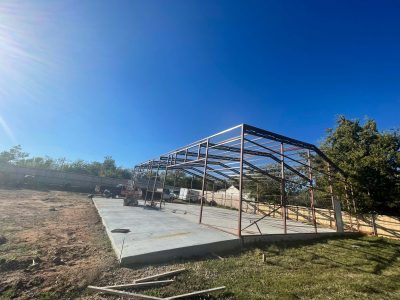 There isn’t a single “best” solution for concrete cracks because each situation is unique. The ideal approach depends on the type, cause, severity, and location of the crack, as well as your budget and desired outcome. For minor, stable concrete cracks, a simple sealing might be all that’s needed to protect your investment. However, for widening, uneven, or structurally significant concrete cracks, a professional assessment is paramount.
The best solution often involves consulting with experienced concrete specialists like Alex’s Construction Co, LLC. We can accurately diagnose the root cause of your concrete cracks and recommend the most effective and lasting repair strategy, whether it’s a targeted crack injection, comprehensive resurfacing, or advanced slab leveling solutions that address the very foundation of your concrete cracks. A proper repair not only improves aesthetics but also ensures the long-term integrity and safety of your concrete surface, protecting it from future concrete cracks.
How long will concrete last without cracking?
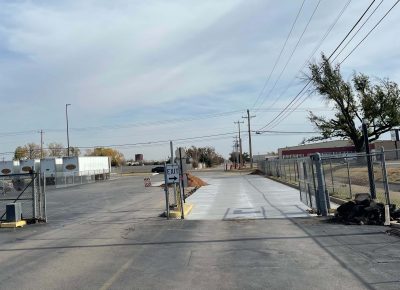 The lifespan of concrete without significant concrete cracks varies greatly, but with proper care, it can last for decades. Well-installed sidewalks and patios often endure 20-40+ years, while driveways can serve for 30-40+ years, especially if not overloaded. Foundations and interior slabs, being more protected, are designed for even longer, potentially 50-100+ years, before major concrete cracks become an issue.
Several key factors determine how long your concrete remains free from problematic concrete cracks. High-quality materials and an expert mix design are foundational. Meticulous installation, including proper subgrade preparation and diligent curing, is non-negotiable for minimizing early concrete cracks. Environmental exposure, like Oklahoma’s temperature swings and freeze-thaw cycles, also plays a significant role in how soon concrete cracks might develop.
Consistent overloading, aggressive soils, and a lack of maintenance like regular cleaning and sealing can all shorten concrete’s life and invite concrete cracks. While minor concrete cracks are part of concrete’s natural aging, severe ones can often be prevented or significantly delayed with professional construction practices and ongoing care, ensuring your concrete stands strong against concrete cracks for years to come.
Your Top Choice for Concrete Near OKC
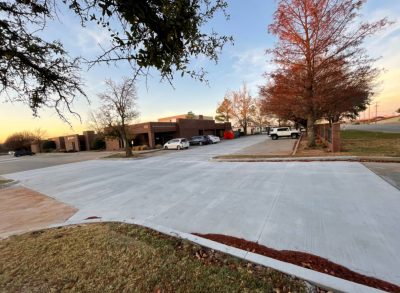 When facing concrete cracks or planning new concrete projects, you need a trustworthy partner. Alex’s Construction Co, LLC is your premier expert for residential and commercial concrete services around Oklahoma City for clear reasons. We deliver long-term solutions, not just quick fixes for concrete cracks.
With 16 years of experience, we deeply understand Oklahoma’s unique climate and soil, which often cause concrete cracks. This local expertise allows us to design durable solutions tailored to withstand our region’s environmental pressures. We don’t just repair concrete cracks; we provide comprehensive solutions for driveways, patios, and more, including stained and stamped concrete.
Our commitment to quality means using optimal mixes and best practices, from subgrade prep to strategic joint placement, to minimize future concrete cracks. Every project, whether fixing existing concrete cracks or new installations, meets the highest standards. We are fully licensed and insured, offering peace of mind.
As a locally run company, our reputation in communities like Yukon and Edmond is built on transparent communication and reliable service. Choosing Alex’s Construction Co, LLC means partnering with a team that genuinely cares about your concrete’s longevity and actively works to prevent and resolve concrete cracks effectively. Make us your first call for any concrete needs.
Frequently Asked Questions about Concrete Cracks
 Q1: Is it normal for new concrete to crack?
A1: Yes, it is common for new concrete to develop minor hairline concrete cracks, often referred to as crazing, within the first few days or weeks as it dries and cures. While proper techniques can minimize these, perfectly crack-free concrete is rare. It’s important to distinguish these cosmetic concrete cracks from more serious structural ones.
Q2: Can I fix concrete cracks myself?
A2: For very small, non-structural hairline concrete cracks, DIY crack fillers and sealants can be used to prevent water intrusion and improve appearance. However, for wider concrete cracks, uneven surfaces, or any crack you suspect might be structural, it’s highly recommended to consult a professional. Improper repairs can worsen the problem or lead to more costly issues down the line with your concrete cracks.
Q3: How often should I seal my concrete to prevent cracking?
 A3: To protect against moisture intrusion and freeze-thaw damage, which can worsen concrete cracks, it’s generally recommended to apply a high-quality penetrating concrete sealer every 2-5 years, depending on the sealer type, local climate, and traffic. Regular sealing is a key maintenance step to prevent severe concrete cracks.
Q4: Do control joints truly prevent concrete cracks?
A4: Control joints don’t prevent concrete cracks entirely, but they control where the cracks occur. By creating planes of weakness, they encourage the concrete to crack in neat, straight lines at predetermined locations, rather than randomly across the surface. This makes the concrete cracks less noticeable and easier to manage.
Q5: What’s the difference between concrete repair and replacement for cracked concrete?
A5: Concrete repair involves fixing existing damage like concrete cracks, spalling, or minor unevenness in the current concrete slab. Replacement means removing the old concrete entirely and pouring a new slab. Repair is often more cost-effective for localized, non-structural damage. Replacement is necessary for widespread severe damage, significant structural issues, or when the concrete has reached the end of its service life. A professional assessment will determine the best approach for your specific concrete cracks.
 Q6: Does temperature affect concrete cracking after it has cured?
A6: Yes, even after concrete has cured, significant temperature fluctuations cause it to expand and contract. If the concrete is restrained or experiences rapid temperature shifts (common in Oklahoma), these thermal movements can lead to new concrete cracks or worsen existing ones over time. This is why proper jointing is so important in preventing future concrete cracks.
Q7: How long do concrete repairs usually last?
A7: The lifespan of concrete crack repairs varies significantly based on the type of repair, the cause of the crack, the quality of materials, and ongoing maintenance. Simple sealants might last a few years, while epoxy injections or slab leveling can last for decades, often for the remaining life of the concrete itself, assuming the underlying cause of the concrete cracks has been addressed.
For any concerns about concrete cracks or to discuss new concrete installations that stand the test of time, don’t hesitate to reach out to Alex’s Construction Co, LLC. We’re proud to serve Oklahoma City and the surrounding communities with reliable, high-quality concrete solutions, ensuring your surfaces remain strong and beautiful, free from problematic concrete cracks.
Found this guide on concrete cracks helpful? Share it with your friends, family, and network in Oklahoma City and beyond! Help them understand the causes, prevention, and repair of concrete issues. [https://alexsconstruction.com/concrete-cracks-causes-prevention-guide-in-oklahoma-city/]